
Emerging Automation Technologies
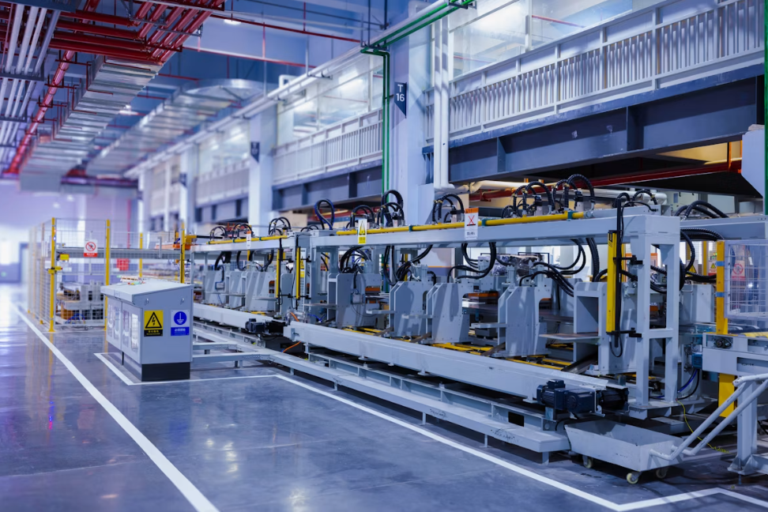
Automation is no longer futuristic — it’s here. In 2026, it’s set to become even more central to manufacturing, as falling costs for robotics and vision systems, plus advances in AI and machine learning, drive faster adoption,
Manufacturers across sectors, from automotive to consumer goods, are investing in technologies that boost output, enhance quality control and improve efficiency on the production floor.
Robotics and Collaborative Systems
Robots have come a long way and are now working right alongside humans as flexible partners. These “cobots” are designed to support and enhance what people do, taking on repetitive or physically tough tasks so skilled workers can focus on more valuable and creative work.
Common applications include stacking and unstacking pallets, operating CNC machines and injection molders, and running flexible assembly and packaging lines that adapt to product changes without costly retooling.
The ability to roll out these systems quickly and scale them across multiple production lines is changing how manufacturers approach automation, making it a practical option even for mid-sized businesses.
Vision Inspection and QC Automation
Quality control is another area where automation is truly making an impact.
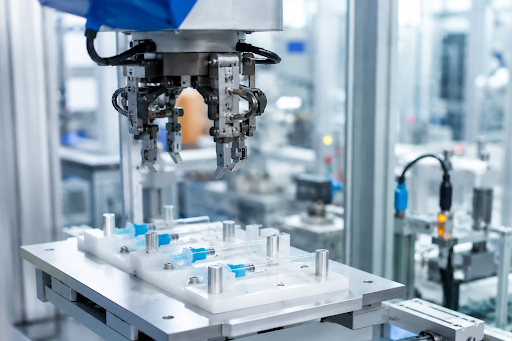
AI-powered machine vision systems are becoming common for inline inspection, thanks to improvements in camera technology, edge computing and deep learning. These systems can quickly spot defects, check labels or codes and measure dimensions.
By combining traditional vision with machine learning, these systems can handle changes in materials and lighting that older systems struggle with. This results in more reliable quality checks, less waste and faster problem detection, helping manufacturers maintain high standards while keeping up with demand.
Digital Transformation in Manufacturing

Digital transformation in manufacturing is more than just digitizing processes; it’s about building connected, data-driven operations that help make faster, smarter decisions.
In 2026, manufacturers will use industrial internet connectivity and integrate manufacturing execution systems (MES) to:
- Leverage analytics for tracking key performance indicators (KPIs)
- Improve overall equipment effectiveness (OEE)
- Reduce scrap
- Manage energy use
IoT and Smart Factories
The backbone of digital transformation is the industrial Internet of Things (IoT). This involves sensors, programmable logic controllers (PLCs), edge gateways and cloud or on-site platforms, all working together to gather and make sense of data from production lines.
Smart factories equipped with IoT devices can quickly adapt to changes in demand, reduce downtime and improve efficiency. By connecting machines and systems, manufacturers gain a holistic view of their operations, enabling them to anticipate issues before they become costly problems.
Data-Driven Decision Making
Data is only valuable when it drives action. That’s why digital transformation investments focus on tools that enable data-driven decisions at every level: from operators responding to real-time alerts on the factory floor to executives planning capital projects.
AI-powered recommendations optimize scheduling and predict maintenance needs, turning raw data into actionable insights. Strong data governance, including shared definitions, clear ownership and standardized reporting, is essential for data consistency across the organization.
Planning for Future Automation Projects

Successful automation projects require more than just purchasing new equipment. Thoughtful planning for scalability, workforce readiness and infrastructure is critical to maximizing return on investment and avoiding costly pitfalls.
Scalable Solutions
Scalable automation means designing systems that can be easily replicated across production lines, shifts, plants or regions without a full redesign. Achieving this starts with upfront decisions about hardware standardization, reusable software, data integration and thorough documentation.
Using standard robot cell templates, common vision hardware and reusable software libraries makes deployment and maintenance easier. Clear naming conventions and defined integration points with MES or ERP systems ensure smooth data flow.
Finally, choosing vendors with proven experience and open APIs supports long-term reliability and future upgrades.
Preparing Workforce and Infrastructure
Labor shortages and skills gaps remain major challenges. Automation works best when it augments and empowers the existing workforce rather than replacing it.
Manufacturers should assess current skills, identify training needs and create “automation champions” at each site to support adoption and troubleshoot issues. Ongoing training is essential as systems evolve.
Infrastructure readiness is also critical. Reliable power, adequate panel space, sufficient network bandwidth, local computing for edge analytics and environmental controls to protect equipment are all prerequisites.
Change management ensures smooth transitions. Clear communication, involving operators in design reviews and providing structured handover and training before launch, all help secure operator support.
Sustainability and Efficiency
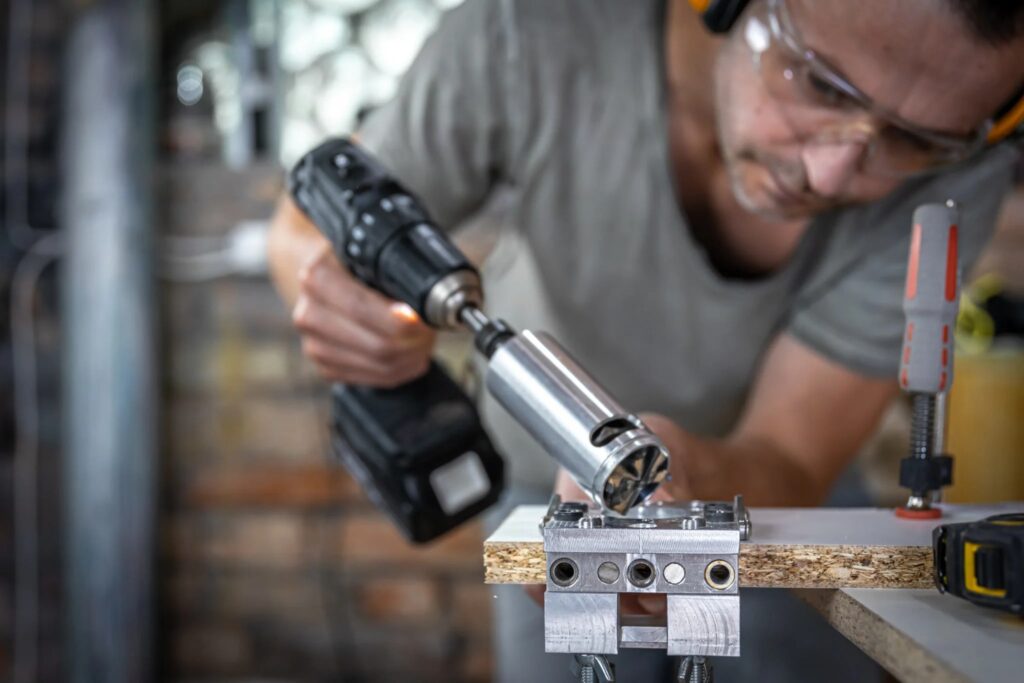
Sustainability is no longer optional; it’s a strategic imperative. Regulatory pressures, energy price fluctuations and customer expectations are pushing manufacturers to integrate energy-saving and waste-reduction measures into automation projects.
Energy Savings and Waste Reduction
Modern automation systems can use variable-speed drives, smart motor controls and power monitoring to optimize energy use and reduce peak loads.
Examples include automatic standby modes that power down non-critical systems during breaks, compressed air leak detection and process controls that adjust ovens or furnaces in real time.
Vision-based inspection catches defects early, reducing scrap and rework. Incorporating energy-efficiency criteria into equipment specifications and requiring built-in metering also supports ongoing measurement and optimization.
Additive manufacturing and 3D printing enable rapid prototyping, customization and on-site repairs while generating less material waste than traditional subtractive methods.
Green Manufacturing Practices
Beyond individual projects, broader sustainability strategies are becoming central to manufacturing. Circular economy principles, low-carbon production and responsible sourcing are increasingly integrated into automation planning.
Practical steps include designing automated cells to handle recycled or lightweight materials, tracking material yields to reduce waste, enabling modular product designs for easier refurbishment and integrating on-site renewable energy.
Transparent data collection on resource use and emissions simplifies ESG reporting and helps attract sustainability-conscious customers. While collaboration between sustainability and engineering teams during project scoping ensures green objectives are embedded from the start, avoiding costly retrofits later.
Conclusion
To stay competitive, start with small, focused pilot projects that demonstrate value. Standardize what works and scale solutions thoughtfully across your operations. Alongside technology investments, prioritize workforce readiness and infrastructure improvements, and make sustainability a core part of every project to meet both regulatory and customer expectations.
Ready to accelerate your 2026 automation initiatives?
Schedule a consultation or discovery workshop to assess your current capabilities and chart the fastest route to measurable results. The manufacturers who move boldly today will lead the industry through the Fourth Industrial Revolution — and beyond.