Custom automation doesn’t just improve a manufacturing operation — it reinvents it. It increases output, enhances quality and reduces labor strain. But without disciplined engineering best practices, automation projects can run over budget, fall behind schedule or fail to deliver the expected results.
For manufacturers, working with an experienced automation partner makes a major difference. Farris Automation designs and builds custom automation systems for companies that need reliable, scalable solutions. From robotic integration to full turnkey systems, we help manufacturers avoid common engineering mistakes and protect their investment.
Below are five key risks to watch for in custom automation projects and how to avoid them.
Risk 1: Insufficient Design Validation
One of the most common issues in automation projects is moving too quickly from concept to build without enough validation. A design may look good on paper, but real-world production conditions often reveal hidden problems.
Common validation gaps include:
- Not testing cycle time assumptions
- Failing to simulate material flow
- Ignoring edge cases or product variations
- Underestimating mechanical tolerances
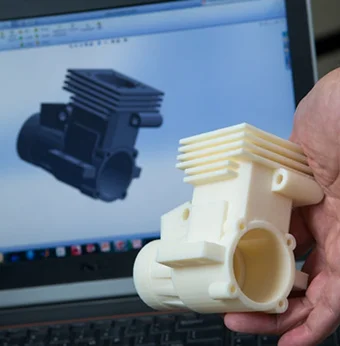
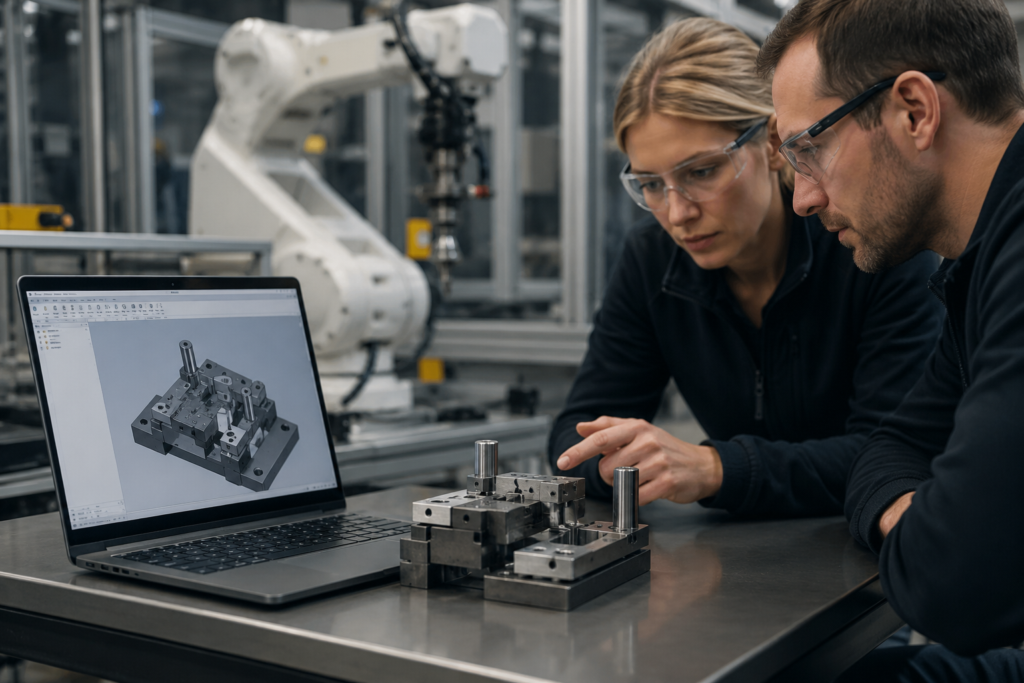
Engineering best practices require thorough upfront validation. This can include 3D modeling, digital simulations and prototype testing. It may also involve reviewing historical production data and walking the floor to understand how operators truly interact with their equipment.
Risk 2: Overlooking Integration Challenges
Automation rarely operates in isolation. New systems must connect with existing equipment, controls, data systems and safety infrastructure.
Integration risks often include:
- Incompatible PLC platforms
- Communication protocol conflicts
- Space constraints in older facilities
- Power and air supply limitations
- MES or ERP data integration gaps
A successful automation project starts with a full site assessment before design begins. That means understanding legacy equipment, documenting control architecture and mapping data flow requirements.
Farris Automation takes a systems-minded approach to integration. Rather than designing a standalone cell, the team builds solutions that fit seamlessly into the client’s broader production environment. This helps minimize installation downtime and reduces surprises at startup.
Risk 3: Ignoring Maintenance Requirements
A system that runs well on day one but becomes difficult to maintain will create long-term frustration. Unfortunately, maintenance considerations are sometimes overlooked during the design period.
Common issues include:
- Hard-to-access components
- Overly complex programming
- No spare parts strategy
- Poor documentation
- Limited diagnostic tools
Engineering best practices prioritize maintainability. This includes designing for easy access, using standardized components when possible and providing clear documentation.
Farris Automation works closely with plant maintenance teams during the design phase to understand who will service the equipment and how often, ensuring systems are built for long-term reliability.
Well-designed preventive maintenance plans and proper training help reduce unexpected downtime. For manufacturers, keeping operations running smoothly has a direct impact on customer relationships and delivery commitments.
Risk 4: Poor Project Planning and Scheduling

Automation projects involve multiple moving parts: mechanical fabrication, electrical design, controls programming, software integration, shipping, installation and commissioning.
Without strong project management, delays can happen quickly.
Risks can include:
- Unrealistic timelines
- Supply chain delays
- Incomplete scope definition
- Late-stage change orders
- Poor communication between teams
Best practices include clear scope documentation, defined milestones and regular progress updates. Risk management should be built into the schedule, not treated as an afterthought.
At Farris Automation, we use structured project planning to keep custom automation projects on track. By setting realistic expectations and communicating openly, we help manufacturers avoid the cost of production interruptions.
Risk 5: Neglecting Employee Training and Safety
Even the best automation system can fail if employees are not properly trained. In some cases, operators resist new equipment because they don’t understand it or feel uncomfortable using it.
Safety is another major concern. Automated systems introduce robotics, moving components and electrical systems that require proper safeguards.
Engineering best practices must include:
- Comprehensive operator training
- Maintenance training
- Clear safety procedures
- Compliance with OSHA and industry standards
- Risk assessments during design
Training should never be an afterthought. It should be built into the project timeline.
We equip client teams with the training they need to confidently operate and maintain their new systems. When employees understand how and why a system works, adoption increases and safety incidents decline.
Strategies to Mitigate Risks
Avoiding these five risks starts with choosing the right automation partner. Sound engineering principles are not just technical standards; they’re habits built over years of experience.
Here are key strategies that reduce project risk:
1. Start With Clear Goals
Define measurable objectives early. Are you increasing throughput? Reducing labor dependency? Improving quality? Clear goals guide design decisions.
2. Conduct Thorough Front-End Engineering
Invest in site visits, data analysis and feasibility studies. Early effort reduces late-stage surprises.
3. Use Standardized, Scalable Platforms
Scalability is critical for growing manufacturers. Systems should be designed so they can expand as production increases.
4. Prioritize Documentation
Detailed drawings, wiring diagrams and programming documentation ensure long-term success.
5. Plan for Long-Term Support
Automation is not a one-time purchase. Ongoing support, troubleshooting and optimization are all part of the lifecycle.
Farris Automation provides turnkey automation solutions. From concept and design to installation and ongoing support, we help manufacturers put proven engineering practices in place to protect both performance and profitability.
Building Reliable, Profitable Automation Systems
Custom automation offers huge potential, but only when backed by disciplined engineering practices. Gaps in design validation, system integration, maintenance planning, scheduling or training can derail even the most well-funded projects.
Farris Automation delivers expert custom automation design, robotic integration, controls engineering and turnkey system solutions in the DFW area. By focusing on careful planning, practical design and long-term support, we help local manufacturers avoid costly mistakes and move forward with confidence.
Don’t just automate — innovate. Contact Farris Automation today and bring a smarter, safer, more efficient system to life.