The wrong automation system doesn’t solve your problems; it simply trades them for worse ones. Bottlenecks return. Maintenance bills devour the savings. And workers find themselves retraining for roles that were never fully thought through.
Choosing the right assembly line automation for your plant means matching technology to your specific production reality. Here’s how to do that.
Understand Your Production Needs
Every plant operates differently, so the first step in choosing assembly line automation is understanding your specific production requirements. A system that works perfectly for one plant may be overkill (or insufficient) for another.
Volume, Cycle Time and Part Complexity
Volume: The number of units you produce on a daily, weekly or monthly basis has a big impact on the type of automation you need. High-volume production lines often benefit from fully automated systems that can run continuously without breaks. Lower-volume plants may be better served by semi-automated systems that allow for flexibility and manual intervention.
Cycle Time: How long does it take to complete one unit of production? If your plant requires rapid production with tight deadlines, automation can help maintain consistent output without sacrificing quality. Systems that can perform tasks quickly and efficiently are key in fast-paced environments.
Part Complexity: Not all parts are created equal. Simple components may only need conveyors or basic pick-and-place systems, while intricate assemblies might require precision robots capable of handling delicate tasks. Understanding part complexity ensures that the automation system you choose can handle the work without damaging products or causing errors.
By analyzing these three factors, you’ll gain a much clearer picture of your production demands, which will guide your choice of automation technology.
Evaluate Automation Technologies
Once you understand your production needs, it’s time to explore the types of automation technologies that can fit your plant. There’s a wide range of options, each with its strengths and ideal applications.
Robotic Assembly
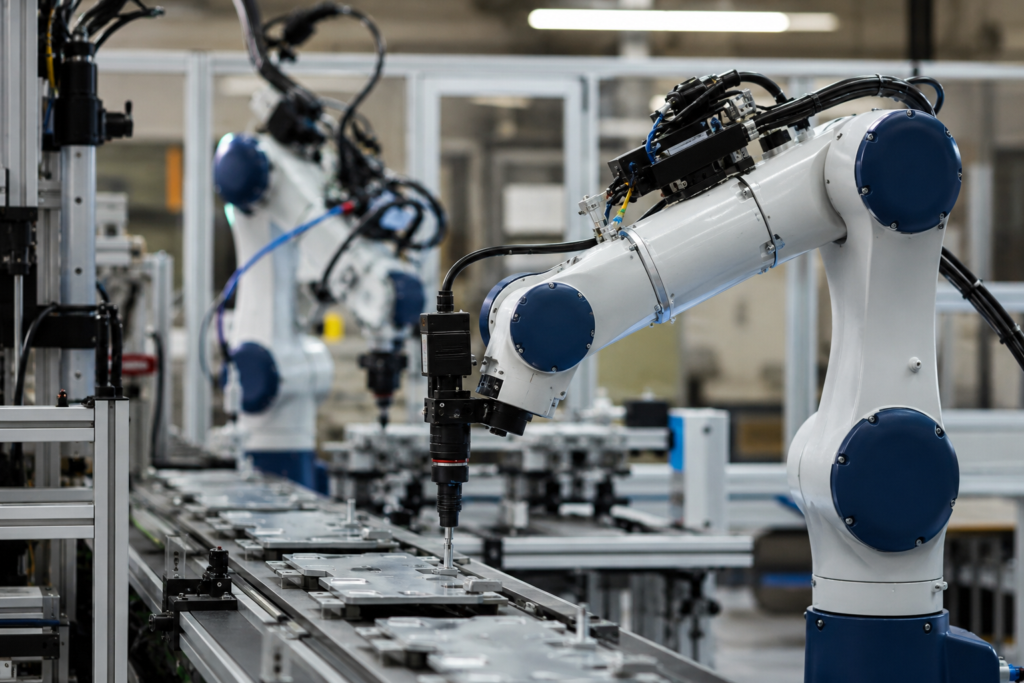
Robotic assembly has become a cornerstone of modern manufacturing. Robots excel in tasks that are repetitive, precise or involve handling sensitive parts. They work tirelessly, maintain consistent quality and reduce the risk of human error.
Some common applications of robotic assembly include:
- Fastening and screwdriving
- Material handling
- Welding and soldering
- Component placement for electronics or delicate items
One of the main advantages of robotic systems is their flexibility. Modern robots can be programmed to handle multiple tasks and also adapt as your production needs change. For plants that produce multiple product lines or need frequent setup changes, robots provide both reliability and versatility.
Conveyor and Sorting Systems
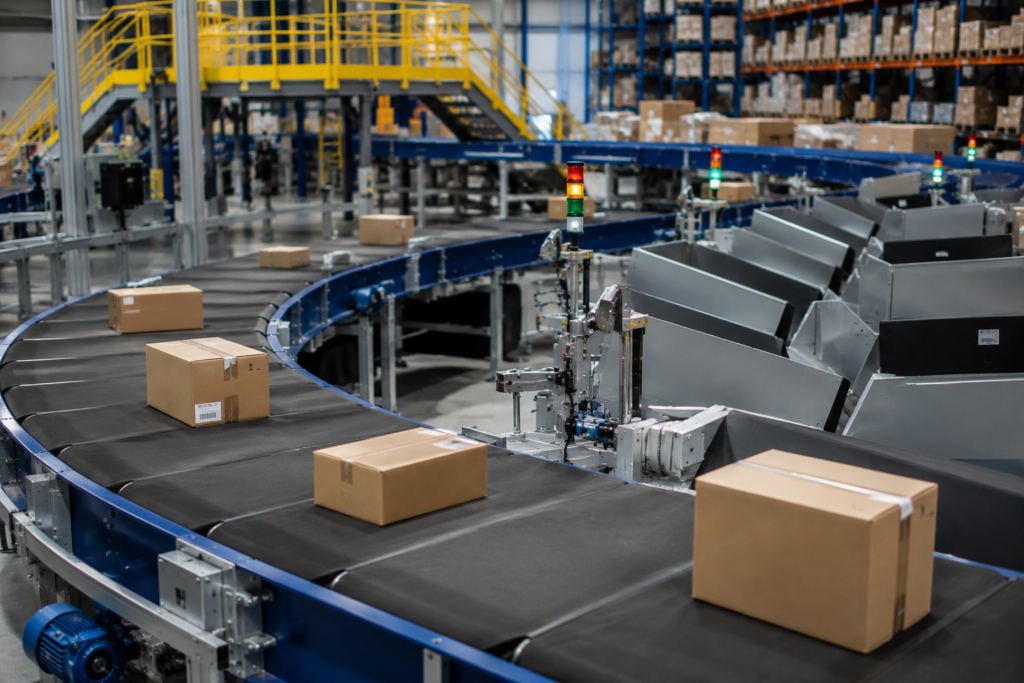
Conveyors and sorting systems are another vital component of assembly line automation. They keep products moving efficiently through the production process, minimizing manual handling and bottlenecks.
Conveyor systems are ideal for high-volume operations, where consistent product flow is crucial. Sorting systems help organize items by size, shape or type, ensuring that each product reaches the correct assembly station.
These systems often work in tandem with robotic arms or automated inspection stations, creating a seamless flow that maximizes productivity. They’re particularly effective in operations where speed and consistency are more important than complex manipulations.
By evaluating which technologies align with your plant’s requirements, you can start designing an automation solution that balances productivity, flexibility and cost.
Make a Cost-Effective Decision
Investing in assembly line automation is significant, so it’s important to consider both immediate and long-term costs. A cost-effective decision takes into account not just the purchase price but also ongoing expenses and the potential return on investment.
CapEx vs. OpEx Considerations
Higher-quality systems cost more upfront but tend to pay for it in lower maintenance, less downtime and longer service life. Cheap capital expenditure (CapEx) often becomes expensive operating expenditure (OpEx).
What a system costs to run often matters more than what it costs to buy. Energy draw, maintenance contracts and labor overhead add up fast. A bargain purchase price can quietly become an expensive machine to own.
The real question isn’t what does this cost? It’s what does this cost over five years? If the upfront number is a barrier, phased implementation or financing can protect your budget without forcing you into a cheaper system you’ll regret.
Scalability and Future-Proofing
Your production needs today may not reflect your needs five or ten years from now. Choosing a scalable system ensures that your investment remains valuable as your business grows.
Automation systems should be flexible enough to:
- Add new production lines or stations
- Integrate new technologies as they become available
- Adapt to changes in product design or volume
Future-proofing your assembly line minimizes the risk of costly upgrades or replacements down the road. A well-planned automation strategy allows your plant to grow and evolve without major disruptions.
Additional Considerations
Beyond the basics of production needs, technology and cost, there are other factors to consider when selecting assembly line automation:
- Safety: Automation can improve worker safety by handling hazardous tasks, but it’s crucial to implement proper safety measures and training.
- Maintenance: Choose systems that are easy to maintain and supported by reliable service providers. Downtime can be expensive, so accessibility and support are key.
- Integration: Ensure new automation integrates smoothly with existing machinery, software and workflows. Poor integration can reduce efficiency and increase complexity.
By keeping these considerations in mind, you can avoid common pitfalls and set your plant up for success.
The Right Automation Is Out There. Let’s Find Yours.
Automation won’t fix a bad process, but the right system, matched to your actual production needs, will compound every improvement you make from here. That’s worth getting right.
Investing time in planning, research and consultation ensures that your automation system delivers maximum value while remaining adaptable as your production needs evolve.
At Farris Automation, we don’t just sell systems; we solve production problems. Tell us what your floor looks like today and where you need it to be. We’ll help you close that gap. Contact us today to design a custom solution built around your operations.