Manufacturing has changed more in the last decade than in the previous fifty years combined. Driven by advances in robotics, AI and connected sensors, manufacturers are racing to modernize their operations and stay competitive in an increasingly complex market. For manufacturing engineers, understanding these trends isn’t optional; it’s vital for optimizing production, improving quality and reducing costs.
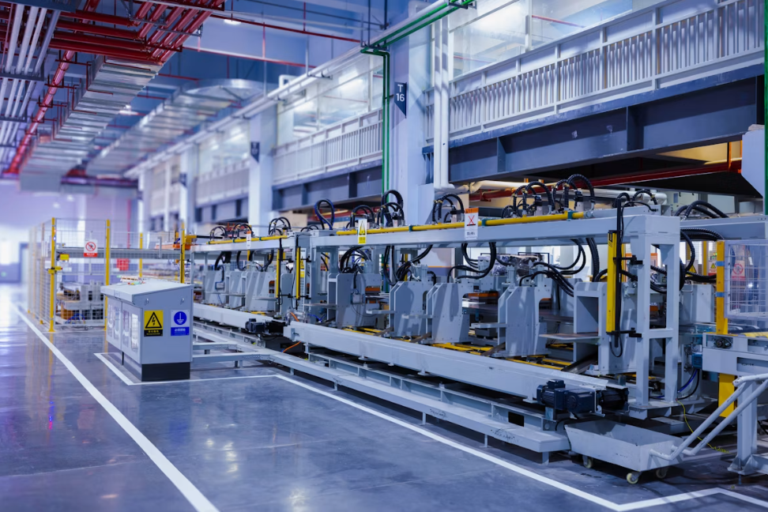
Robotics is still central to this shift, but it’s no longer working alone. Smart factories now combine robotic systems with live data and machine learning, so facilities can catch problems and adjust processes before they turn costly.
Below, we break down the trends changing the factory floor and what engineers need to know to put them to work.
Robotics and Collaborative Automation
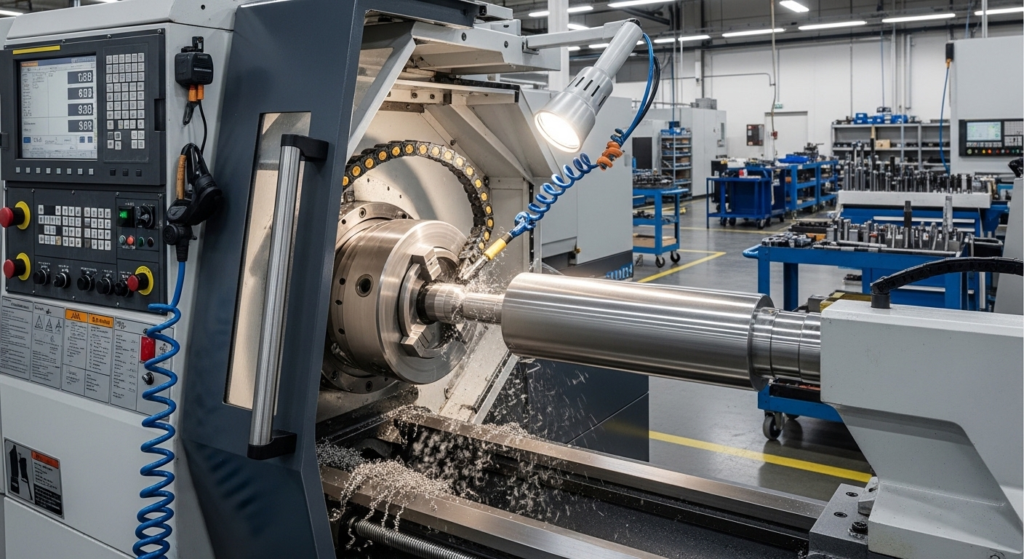
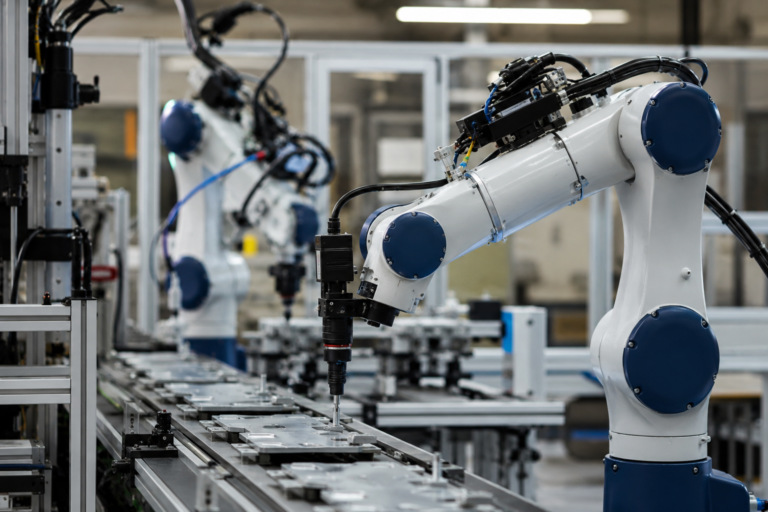
Robotics has anchored industrial automation for decades, but the latest generation of robots is redefining what’s possible. Traditional industrial robots excelled at repetitive tasks in isolation; today’s robots are built to work alongside people.
These collaborative robots, or cobots, mark a real departure from the old model. Traditional robots operated inside safety cages, walled off from workers. Cobots share the workspace instead, taking on complex assembly and precise inspection work that demands adaptability. They can also reduce the physical strain of repetitive or ergonomically demanding tasks and free up human operators to focus on quality control and decision-making.
Autonomous mobile robots, or AMRs, are changing material handling and logistics too. Unlike conveyor systems that are locked to fixed paths, AMRs navigate factory floors and storage areas on their own, which cuts down on manual labor and speeds up internal transport.
AI and machine learning are pushing those cobots and AMRs even further. Robots equipped with AI can adjust their actions based on live environmental conditions and, by analyzing sensor data and performance history, flag equipment issues before failures happen.
Together, these advances are turning robotics and collaborative automation into a driver of workplace safety and flexibility — not just productivity.
Smart Factories and IoT Integration
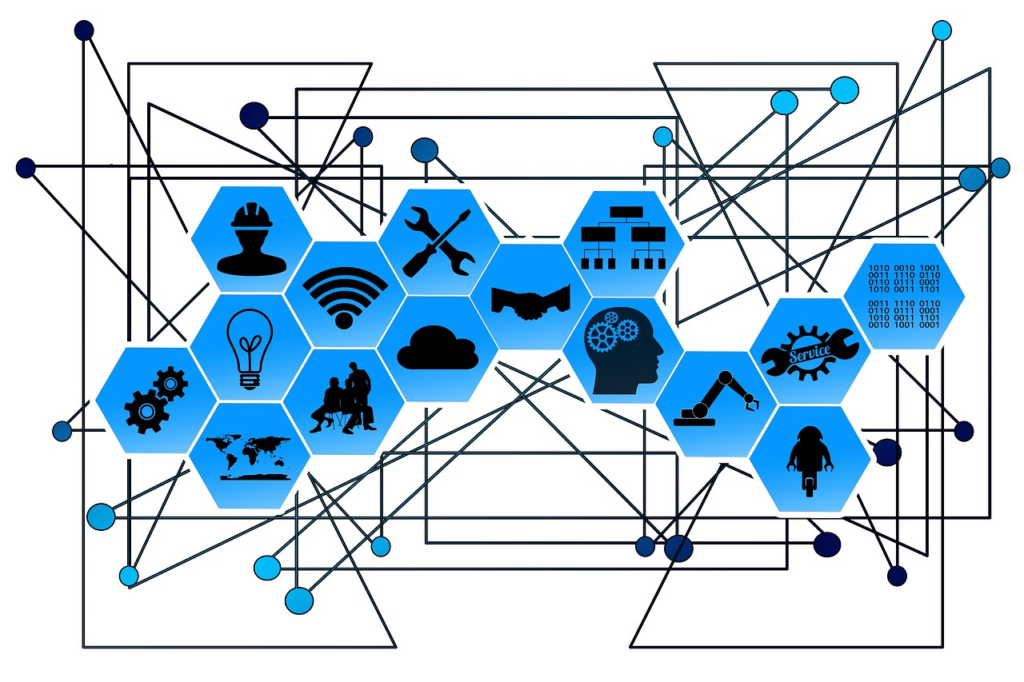
The Industrial Internet of Things, or IIoT, emerged to support this transformation. It connects machines, sensors and control systems into a digital ecosystem for real-time monitoring and analytics.
Asia Pacific is leading this growth. The region’s industrial IoT sector is projected to expand at a compound annual growth rate of more than 26% from 2025 to 2030, driven by the rising adoption of factory automation in China and Japan, along with strong infrastructure and government investment. Manufacturers elsewhere are following suit, developing their own technologies to keep pace.
IIoT bridges operational technology with information technology, allowing manufacturers to analyze production data at scale and gain the visibility needed to make informed changes to operations.
For engineers, embracing IIoT and smart factory concepts means investing in interoperable devices, edge computing infrastructure and advanced analytics platforms. Together, these form the foundation for data-driven manufacturing that adapts quickly to market demands and improves overall equipment effectiveness, or OEE.
Edge Computing, Sensors and Digital Twins
Edge computing is one example. By processing data close to its source, it uses less bandwidth than cloud-only solutions and allows for immediate responses to changing floor conditions, including adjusting machine parameters or flagging anomalies as they occur. Cloud computing complements this by offering scalable storage and deeper analytics for long-term planning.
Smart sensors track variables that affect production. That data feeds software that spots patterns and predicts failures, so companies can fine-tune their schedules. Predictive maintenance algorithms use that data to catch problems before they turn into costly breakdowns.
Digital twins (virtual replicas of physical assets and processes) are another piece of the smart factory toolkit. Engineers use them to simulate production scenarios, spot bottlenecks and test workflow changes before rolling them out on the floor, which cuts downtime and speeds up improvements.
Advanced QC and Vision Systems
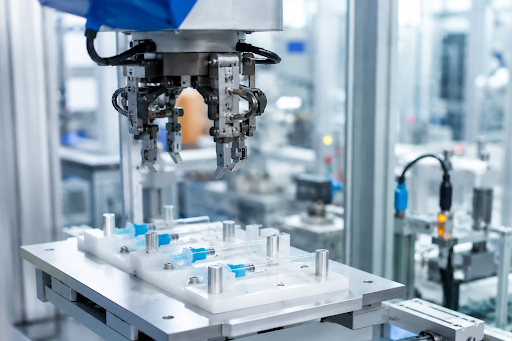
Quality control affects product reliability, customer satisfaction and regulatory compliance. New vision systems and software are changing how manufacturers handle QC, automating inspection and catching issues as they happen.
Modern vision systems use high-resolution cameras and smart sensors to capture detailed images of products on the line. Algorithms analyze those images to detect defects, dimensional inaccuracies and surface imperfections faster and more accurately than manual inspection.
These systems also improve over time, learning from inspection data to refine defect detection. That adaptability is especially useful for complex or variable product designs, where traditional rule-based inspection tends to fall short.
Connecting vision systems to manufacturing execution systems (MES) and enterprise resource planning software (ERP) links production and quality departments directly. That means that quality data can inform decisions and keep detailed inspection records that support traceability and compliance.
These systems lower scrap rates, speed up defect identification and improve product consistency, helping manufacturers meet increasingly strict quality standards from customers and regulators.
Sustainable and Energy-Efficient Automation
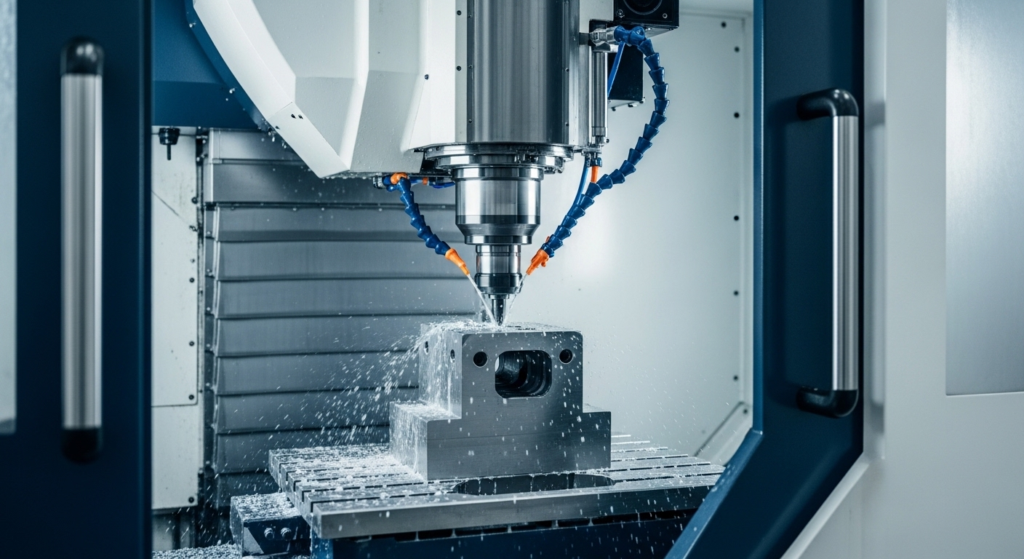
Sustainability has become a top priority for manufacturers, driven by regulatory updates and growing corporate responsibility — the global sustainable manufacturing market is projected to grow from $210 billion in 2025 to $358 billion by 2030. Industrial automation plays a role here too, helping cut energy use and waste on the production floor
Smart energy monitoring is central to this effort. Sensors embedded in machine systems track inefficiencies and help manage usage. Smart breakers with built-in metering, for example, allow live tracking of energy demand at the circuit level.
That data lets manufacturers stagger equipment startup, avoid peak loads and lower energy costs. Advanced analytics also help fine-tune production schedules, equipment use and maintenance to minimize energy waste.
Predictive maintenance also adds to these gains, catching problems early so equipment needs fewer major repairs and replacements over time. Automation also helps manufacturers use materials more efficiently, cutting scrap through tighter control of production variables.
Digital transformation, including connected devices, industrial software and cloud computing, supports broader sustainability management. Manufacturers can monitor environmental impact, track compliance with environmental, social and governance, or ESG, standards, and find opportunities for improvement, supporting corporate sustainability goals while cutting costs and improving efficiency.
Partnering for the Road Ahead
Robotics, IIoT, advanced vision systems and sustainable automation are changing manufacturing, and engineers who stay ahead of these trends will be best positioned to improve efficiency, quality and environmental performance.
Building a resilient operation means investing in integrated solutions that combine hardware, software and data analytics, and partnering with the right technology providers to put them into practice.
Ready to bring these trends into your own operation? Farris Automation designs and builds custom automation systems that help manufacturers improve production accuracy, increase throughput and maintain strict quality standards.
Whether you’re planning a new project or upgrading an existing line, our team can help you find the right solution for your goals. Contact us today to get started.