For manufacturing, efficiency and precision are everything. Traditional manual sorting or older automated setups can slow things down, creating bottlenecks that hold back growth. Robotic sorting technology is changing the game by combining AI, computer vision, and robotics to handle larger volumes with greater accuracy and flexibility.
What Are Robotic Sorting Systems?
Definition and Key Components
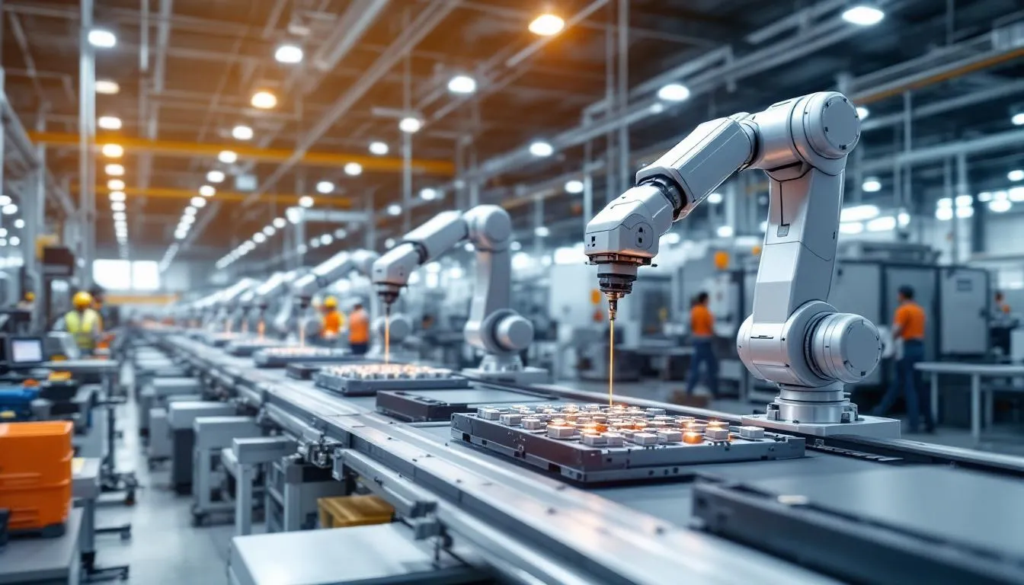
Robotic sorting systems use smart robots equipped with advanced sensors and machine vision to quickly identify, classify, and sort products based on specific needs. Unlike traditional conveyor systems, these setups use AI and real-time data to make fast and accurate sorting decisions.
Key components include:
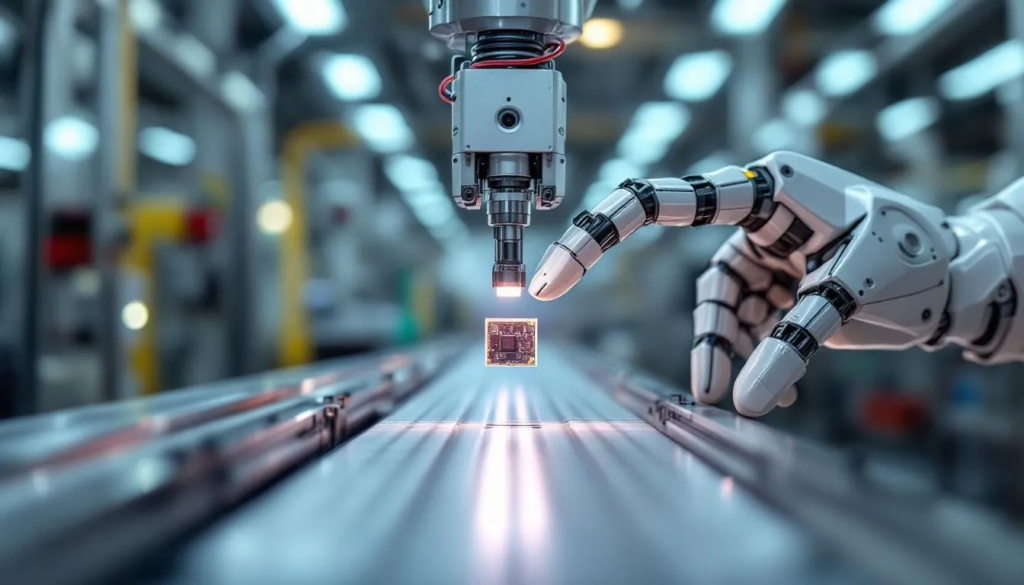
- Vision Systems: High-res cameras and sensors that capture details like size, color, and shape to tell products apart.
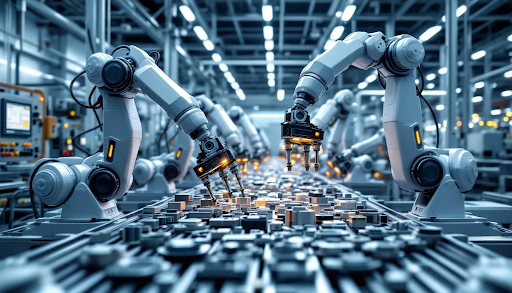
- Robotic Arms: Flexible, precise arms that can handle a variety of parts with repeatable accuracy.
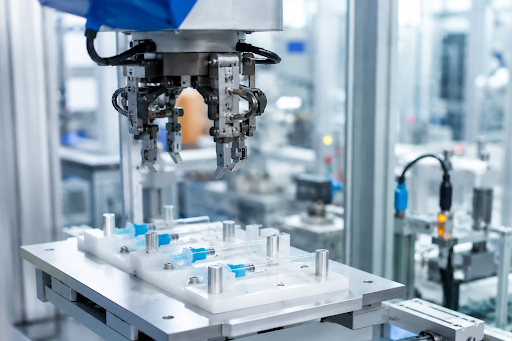
- End-Effectors: Specialized grippers or suction tools designed to gently pick up everything from delicate electronics to heavier items.
- Control Software: AI-powered programs that smoothly coordinate the robots’ movements based on what the vision system sees.
- Integration Interfaces: Easy connections to your existing warehouse or production software, keeping everything running smoothly in line with ISO 10218-2 integration requirements.
These systems adapt easily to your production needs, adjusting grip strength and handling techniques depending on the product, helping you maintain quality without sacrificing speed.
Integration into Production Lines
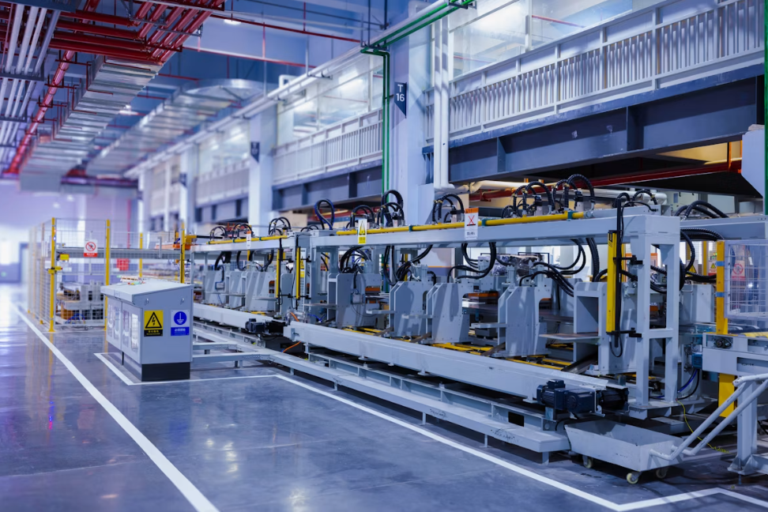
Robotic sorting systems are designed to fit right into your current workflows with modular setups that minimize disruption. Many plants use hybrid configurations—robots working alongside conveyors and human operators. Mobile robots can be strategically placed along lines, receiving assignment data and routing items efficiently. This setup allows you to scale operations incrementally by adding robots as demand grows.
Advanced path planning ensures multiple robots work simultaneously without getting in each other’s way, optimizing throughput and streamlining your operations.
Benefits of Robotic Sorting
Increased Throughput and Speed
Robotic sorting systems can handle between 1,000 to 1,500 items per hour, depending on complexity—often 2 to 4 times faster than manual sorting. This means you can meet growing production demands without a proportional increase in labor costs.
Robots don’t get tired or distracted, enabling continuous operation during peak shifts. Scheduling algorithms coordinate multiple robots to minimize downtime and maintain a steady flow, even when items arrive just milliseconds apart.
Accuracy and Consistency
You know how critical accuracy is in maintaining product quality and compliance. Robotic sorting delivers 99% or higher accuracy rates. AI-powered vision systems detect subtle differences that might escape human eyes or older automated systems.
Plus, continuous learning capabilities mean the system improves over time by analyzing sorting patterns and adapting to new products—keeping your operations sharp as your product mix evolves.
Applications Across Industries
Automotive and Heavy Equipment
Automotive assembly lines rely on robotic sorting to manage thousands of parts, ensuring precise routing to assembly stations. Vision systems identify parts by shape, color, or barcode, supporting just-in-time inventory and smooth assembly.
Heavy equipment manufacturers benefit from robots with higher payload capacities and rugged end-effectors, handling large components safely and efficiently.
Appliances and Consumer Products
Appliance manufacturers appreciate robotic sorting’s flexibility to handle diverse components and quickly adapt to new models through software updates instead of costly physical changes.
Consumer products companies benefit from gentle handling protocols and adaptive grippers that protect fragile or irregularly shaped items, all while keeping throughput high.
Best Practices for Implementation
System Configuration and Integration
Start by analyzing your current processes and setting clear goals. A phased rollout lets you test and optimize before full deployment, helping you spot challenges early.
Plan for scalability so you can add robots without expensive facility modifications. Train your team not just on operations but also basic maintenance to keep things running smoothly.
Integrate data streams for real-time monitoring of throughput, accuracy, and efficiency—giving you insights to continuously improve your manufacturing.
Maintenance and Optimization
Preventive maintenance is key: keep vision systems clean, calibrate robotic arms regularly, and test grippers to avoid downtime. Many systems include self-diagnostics that alert you to issues before they become problems.
Optimizing performance is ongoing—adjust settings as production changes to maintain efficiency. Remote monitoring and support mean issues can often be resolved quickly, maximizing uptime.
Unlocking the Future with Robotic Sorting: Your Next Move
Robotic sorting offers a flexible, scalable way to boost throughput, improve accuracy, and reduce labor costs—especially for companies with $30 million or more in sales looking to stay competitive.
Most companies see a return on investment within 12 to 18 months. Start with a thorough assessment of your current processes to identify where robotic sorting can deliver the most value. With the right setup, you’ll have the confidence to scale operations and meet future demand head-on.
Not sure where to begin? Explore how Farris Automation approaches robotic sorting projects or contact our team to talk through what’s possible for your facility.
FAQ
How long does it take to train a robotic sorting system for new product types?
Training typically takes 2 to 4 weeks using 1,000 to 5,000 sample items per product. Machine learning algorithms analyze these samples to develop recognition patterns, reaching optimal accuracy within 30 to 60 days. Advanced systems can adapt faster for similar product variants by leveraging prior knowledge.
What happens when one robot fails in a multi-robot facility?
Redundant systems automatically redistribute workload, so a single robot failure usually only reduces throughput by 10 to 20%. Modular designs enable rapid repairs, often within hours, improving reliability compared to traditional conveyor systems that can suffer from single points of failure.
Can robotic sorting handle irregular shapes or delicate materials?
Yes. Advanced vision and force-controlled grippers adjust grip pressure, angles, and speed to safely handle fragile or irregularly shaped items. Damage rates remain low—below 0.1% even for complex shapes.
How do robotic sorting systems integrate with warehouse management software?
Standardized APIs allow seamless integration, typically completed within 4 to 8 weeks. Systems exchange real-time data for inventory tracking, order management, and performance analytics, providing continuous feedback on sorting status and operational metrics.
What is the total cost of ownership compared to traditional methods?
While initial capital costs may be 30 to 50% higher, operational costs over 10 years are 20 to 30% lower due to reduced labor and maintenance. Scalability and flexibility further enhance long-term cost-effectiveness.